

Are Window Cleaning Robots Worth It?
As someone who’s spent the last 15+ years hanging off ladders and scrubbing glass in everything from suburban homes to multi-storey commercial builds, I get the appeal of a window-cleaning robot. You press a button, sit back with your cuppa, and let the gadget do the work. But are window cleaning robots worth It?
Short answer? Sometimes. Long answer? Depends on your windows, expectations, and how you define “clean.”
Let me walk you through what these machines can (and can’t) do, and when you’re better off sticking with a human touch.
Contents
What Exactly Is a Window Cleaning Robot?
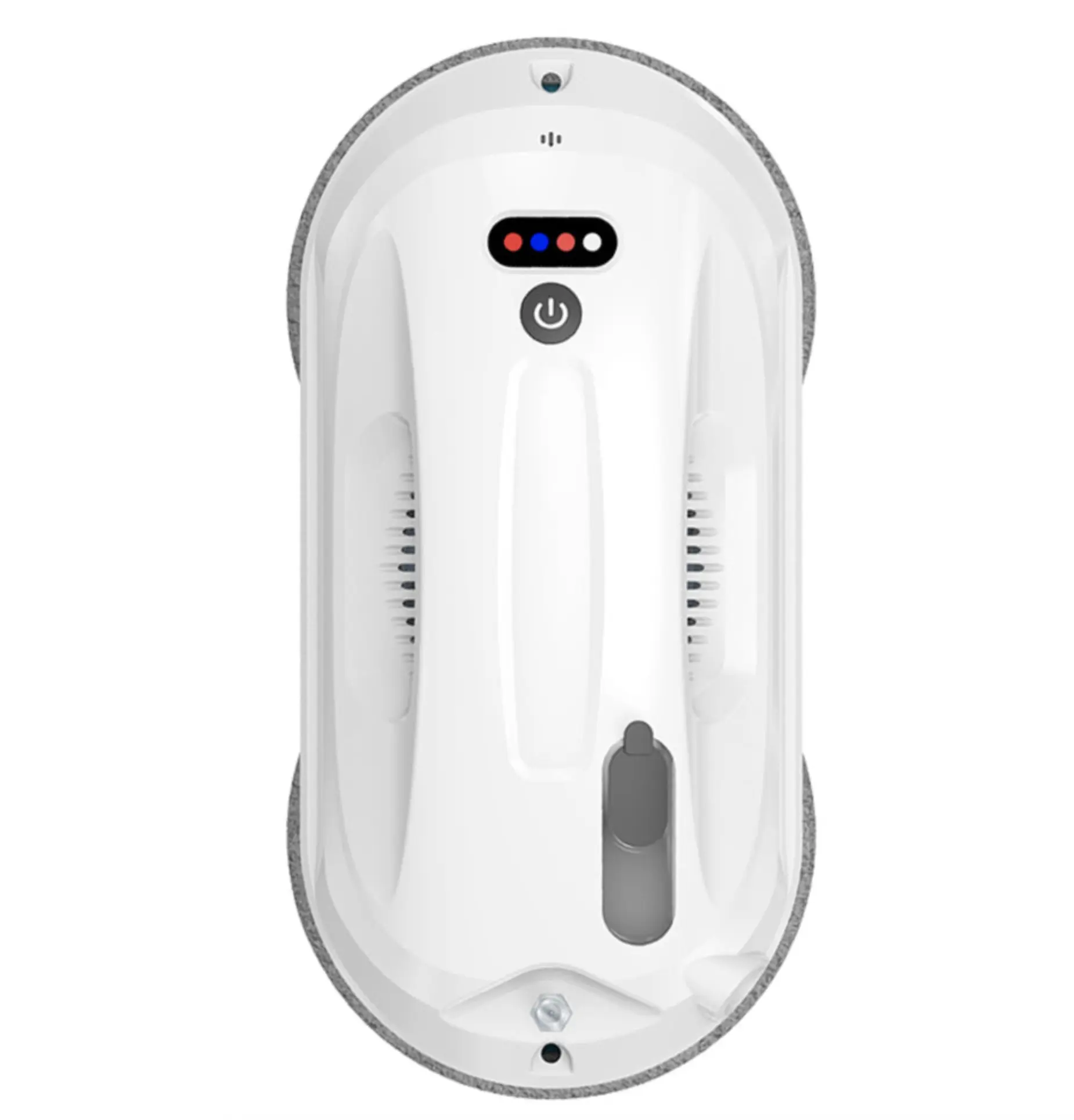
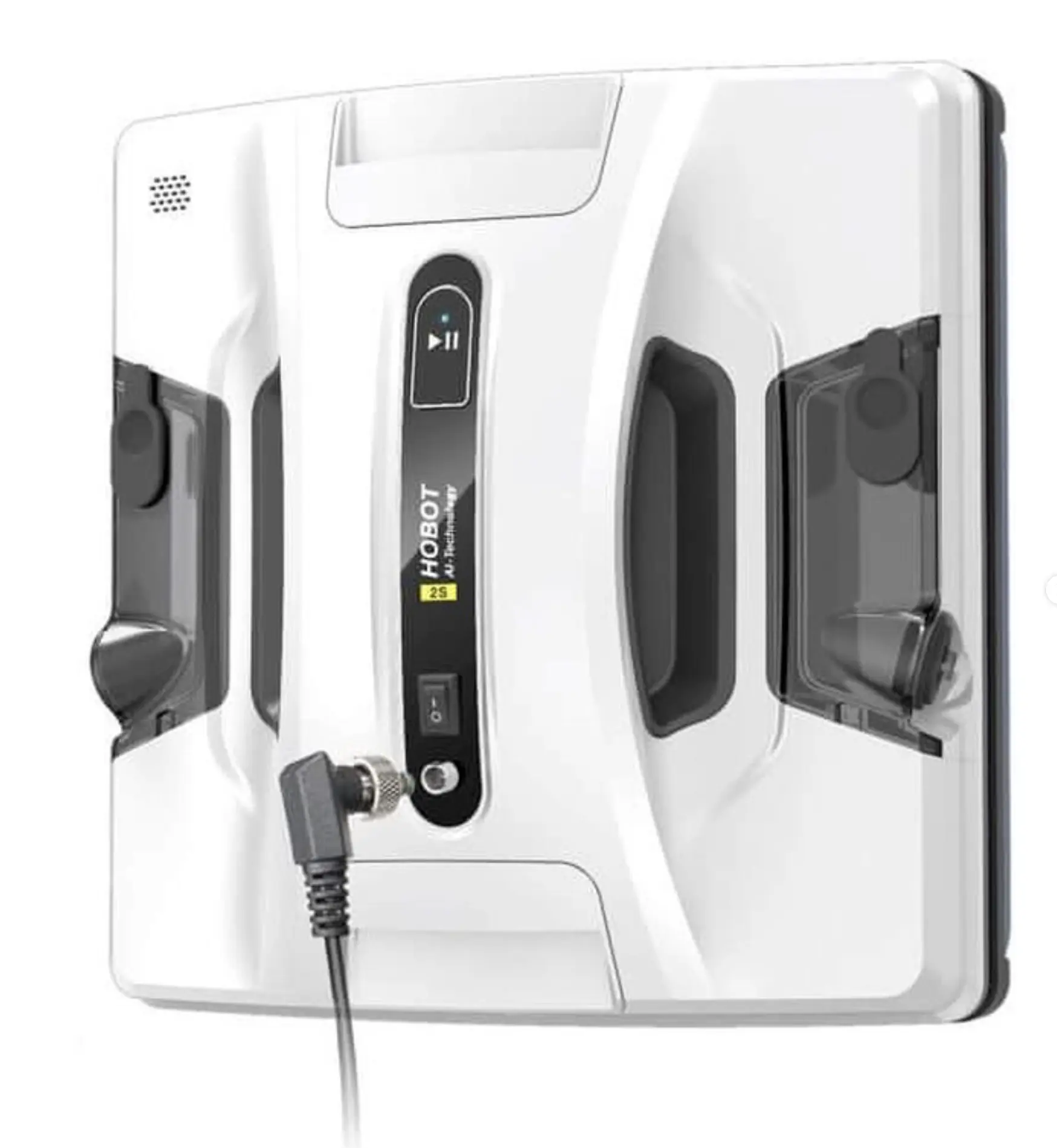
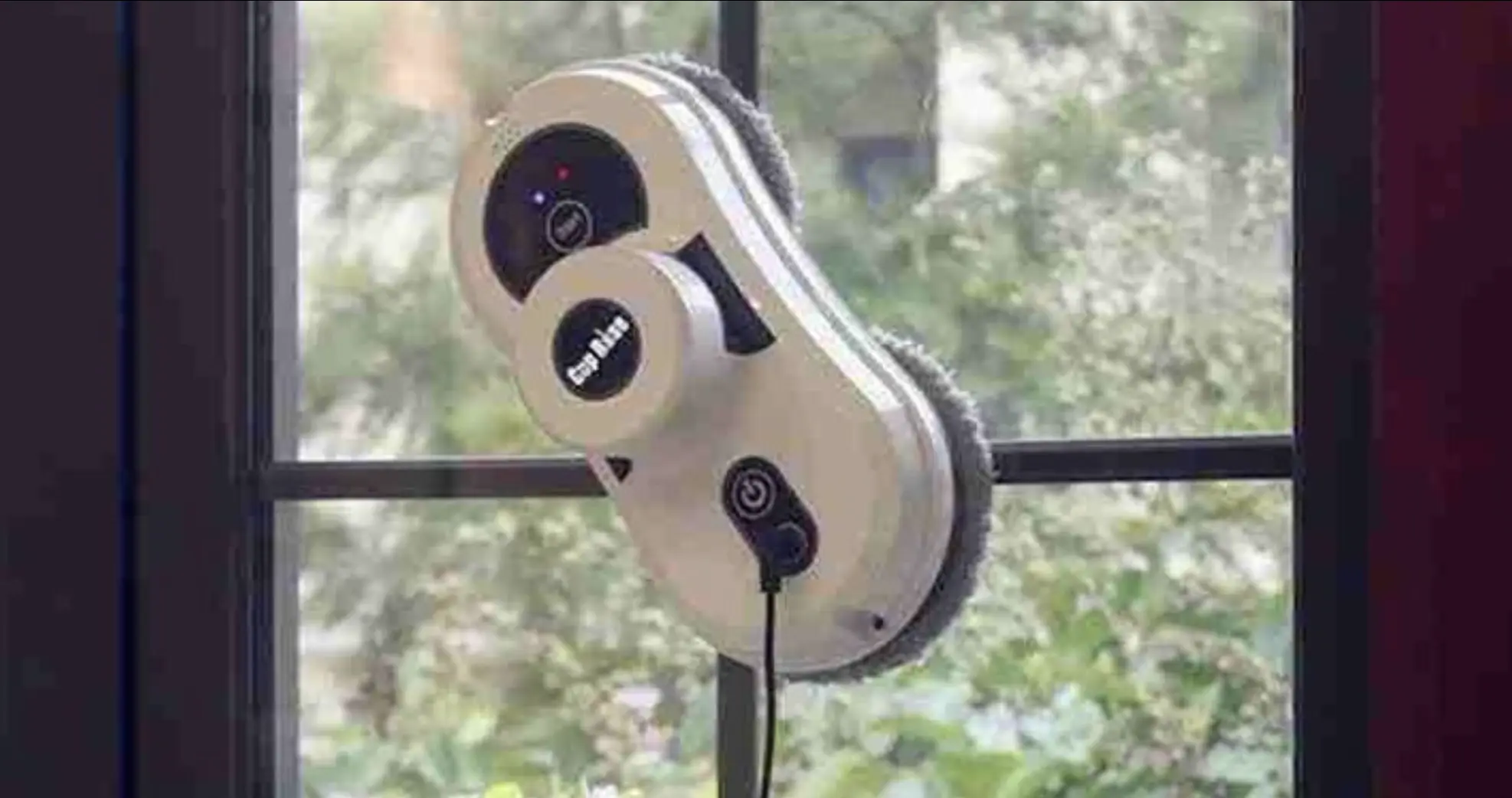
Think of them like a robotic vacuum, but for glass. These compact units attach to your window (usually using suction or magnets) and move in a grid pattern, wiping as they go. Most have:
- A cleaning pad or squeegee
- Sensors to detect edges
- Suction motors for vertical grip
- Remote or app control
They’re designed mostly for inside windows or easy-to-access exterior glass on multi-storey buildings.
Where Robots Can Shine (Pun Intended)
In my experience, these gadgets can be handy in very specific situations:
1. Large, flat panes of glass
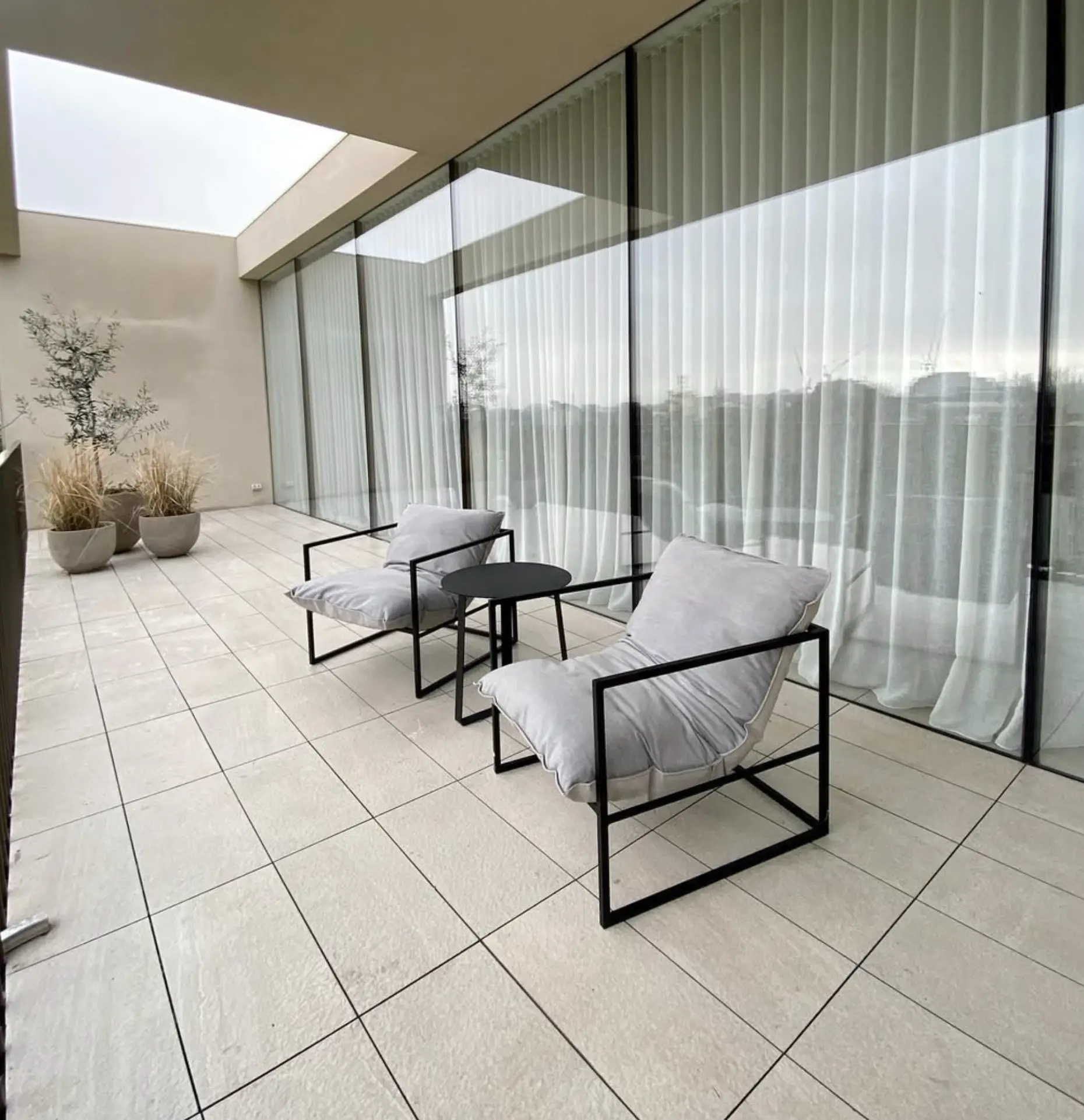
If you live in a modern apartment with big glass panels, a robot can take care of those without much fuss. Frameless windows and fixed glass balustrades are their sweet spot.
2. Hard-to-reach windows (but from inside)
Some windows are just awkward: high internal panes, second-storey voids, or skylights. Robots can get up there while you stay safely on the ground.
3. Light maintenance cleans
If you’re after a quick freshen-up rather than a deep scrub, the robot can keep things looking tidy between professional cleans.
Where Robots Fall Flat (Literally and Figuratively)
But let’s not get starry-eyed. These machines have their limitations, and I’ve seen plenty of people disappointed by the results.
1. Streaks and patchy finishes
Despite the marketing, most bots can’t apply real pressure. That means stubborn marks, baked-on grime, and greasy fingerprints often stay put. You might get 80% of the dirt off, but that last 20%? That’s what makes the window sparkle.
2. Framed or small-pane windows
Windows with lots of frames or non-standard shapes confuse the sensors and leave untouched sections. Bay windows, colonial styles, or anything with bars aren’t ideal for robots.
3. Risk of falling
I’ve heard stories (and seen footage) of suction failures on outdoor glass. Some brands include safety ropes, but if your robot slips while cleaning a second-storey exterior pane? That’s a costly drop.
4. They don’t do sills, tracks, or frames
One of the most important parts of professional window cleaning is dealing with the frames and sills. That’s where grime, cobwebs, and mould build up. A robot will just skate past all that.
Comparing Cost: Robots vs. Professional Cleaners
Let’s talk brass tacks. A decent window-cleaning robot in Australia will set you back anywhere from $400 to $900, depending on the brand and features.
Compare that with professional window cleaning:
- Single-storey house (full exterior + interior): $150–$300
- Two-storey house: $250–$450
- Strata/common areas: Varies widely depending on size/access
So if you’re planning to rely solely on a robot, you might break even after a few cleans if you’re happy with the results. But most folks end up supplementing with a human clean anyway. If you’re in Victoria, Window Cleaning Melbourne Crew is one of the teams that can take care of those bigger jobs safely and efficiently.
What to Consider Before Buying One
Here are the questions I tell mates to ask themselves:
- Do I have a lot of big, flat, easily accessible glass?
- Am I OK with “good enough” results?
- Am I confident in setting up tech gear and safety tethers?
- Will I still need a professional cleaning every 6–12 months?
If the answer to most of those is “yes,” then yeah, a robot might be worth it. Just don’t expect miracles.
When to Stick With the Pros
Some jobs need experience, muscle, and the right gear:
- Post-construction cleans
- Heavy mineral or bore water staining
- Greasy commercial shopfronts
- Second-storey exteriors with poor access
A trained window cleaner with extension poles, spot-free rinse systems, and elbow grease will always out-clean a robot. That’s not ego talking. That’s reality. That’s where Window Cleaning Melbourne Crew comes in handy. We’ve tackled everything from heritage homes to glass skyscrapers and know when a machine just won’t cut it.
Whether it’s routine domestic window cleaning or high rise window cleaning for multi-storey apartments, the right team will know how to get it done safely and streak-free. That includes everything from window sills to skylights and everything in between.
Final Verdict
Window cleaning robots aren’t snake oil. They can help, especially in tech-friendly homes with lots of glass. But they’re no replacement for a thorough, streak-free clean that includes the sills, tracks, and frames.
Use them for light touch-ups, or as a gap-filler between professional visits. But if you’re prepping your home for sale, tackling years of neglect, or want that crystal-clear, just-cleaned look? Call in a human.
Window Cleaning Melbourne Crew handles everything from melbourne window cleaning for residential properties to large-scale high rise jobs. We’re often called in to fix what the robots missed.
FAQ
Can window cleaning robots clean exterior windows on a second-storey house?
Only if you can access those windows from inside and secure the robot with a safety tether, otherwise, it’s risky.
Are window cleaning robots safe on tinted windows?
Most are safe for tint, but check the manufacturer’s specs. Avoid any with abrasive pads or excessive suction.
Do I still need to pre-spray the windows?
Yes—many models work better if you lightly mist the glass with a cleaning solution first.
How long do they take?
Anywhere from 5 to 15 minutes per window cleaning for residential, depending on size and grime level. Slower than you’d expect.
Can robots clean flyscreens or window tracks?
Nope. You’ll need to do that manually, or book a full service like a domestic window cleaning services.