
Can You Do Eyebrows With Only a Certificate?
So, can you do eyebrows with just a certificate? That’s the big question we hear from budding brow artists, eyebrow technicians and curious clients alike. We’re Uliana Kasperska and Anastasia Petkov from Cosmetic Tattoo Studio Brisbane Face Figurati, two licensed cosmetic tattoo artists and today we’re lifting the lid on what that certificate really means — and what it doesn’t. If you’ve ever wondered if a piece of paper is enough to trust someone with your face, this guide is for you.
Contents
- 1 Training Matters More Than Paperwork
- 2 The Legal Situation in Brisbane
- 3 Real Skills You Can’t Learn From a PDF
- 4 Common Myths About Certificates
- 5 The Difference Between Short Courses and Full Programs
- 6 Case Study: When “Certificate Only” Goes Wrong
- 7 Safety, Hygiene, and Infection Control
- 8 Healing Journeys and Client Aftercare
- 9 Pricing: Why Experience Affects Cost
- 10 2025 Beauty Trends and Demand for Trained Artists
- 11 Prep and Aftercare Checklist
- 12 Final Thoughts
- 13 FAQ
- 13.1 Is a certificate enough to legally tattoo brows in Brisbane?
- 13.2 Can a beginner with a certificate get natural results?
- 13.3 How do I know if my brow artist is properly trained?
- 13.4 Why do some artists charge more if the service is the same?
- 13.5 Do I still need touch-ups if my artist is highly trained?
Training Matters More Than Paperwork
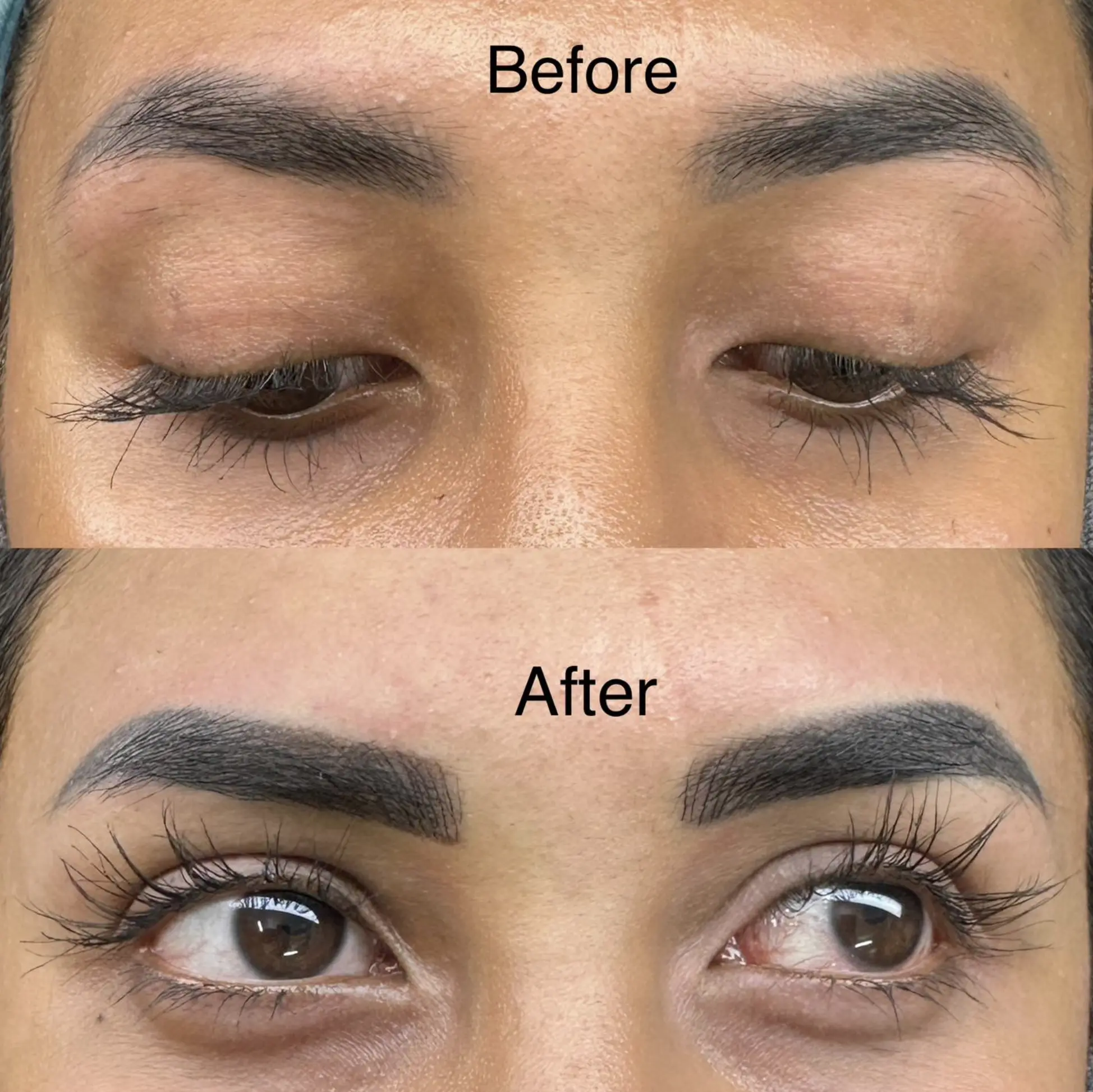
A certificate looks good in a frame, but what’s behind it is what really counts. In the beauty industry, especially in cosmetic tattooing, training isn’t just about ticking boxes — it’s about learning eyebrow shaping, brow colour mixing, skin depth and safe technique through real practice. We’ve seen clients come in after being treated by “certificate only” eyebrow technicians, and sadly, it shows in uneven lines, poor pigment retention or harsh shapes that don’t flatter. Whether you’re looking at a microblading course or broader beauty qualifications, the focus should always be on hands-on experience.
The Legal Situation in Brisbane
In Brisbane (and across Queensland), cosmetic tattooing falls under health and safety regulations. While technically you can start with a certificate, local councils require infection control training and licensing before you can touch a client. This isn’t just red tape — it’s about protecting both artist and client from serious risks. Getting a certificate is only step one in becoming a safe, trusted brow artist in the beauty business. For example, microblading Brisbane clients require both training and licensing to ensure safe procedures.
Real Skills You Can’t Learn From a PDF
Let’s be real — you can’t learn hand pressure or pigment saturation from theory only. You need to see how oily skin behaves differently from dry skin, or how mature skin requires a softer approach. In our studio we have trained artists who already had beauty qualifications but had never worked on a real client before — and their confidence changed dramatically after hands-on mentoring. That’s where eyebrow mapping, client consulting and understanding corrective beauty procedures really come into play. It’s also why a microblading brows tattoo requires far more practice than a certificate can offer.
Common Myths About Certificates
- Myth 1: A certificate guarantees skill. (Nope — it just shows you’ve attended training.)
- Myth 2: More certificates equal better results. (Not if you don’t practise and refine techniques like eyebrow threading, eyebrow waxing or microblading eyebrows.)
- Myth 3: Once you’re certified, you’re set for life. (Skin trends and pigments evolve — we retrain regularly to stay sharp.)
The Difference Between Short Courses and Full Programs
Not all certificates are created equal. Some weekend crash courses promise to make you “salon ready” in 3 days while full programs offer weeks of practice, supervised treatments and deep dives into beauty therapy subjects like colour theory and cosmetic tattooing. We’d take one graduate of a proper 3-month course over 10 crash course attendees any day. If you’re serious about becoming a brow artist, investing in a microblading course is one of the best things you can do.
| Training Type | Duration | Real Model Work? | Depth of Colour Theory | Regulation Compliance |
|---|---|---|---|---|
| Weekend Crash Course | 2–3 days | Minimal | Basic (if any) | Rarely covered |
| Certificate Program | 4–6 weeks | Some | Moderate | Sometimes included |
| Diploma / Accredited Course | 3–6 months | Extensive | Comprehensive | Fully integrated |
Case Study: When “Certificate Only” Goes Wrong
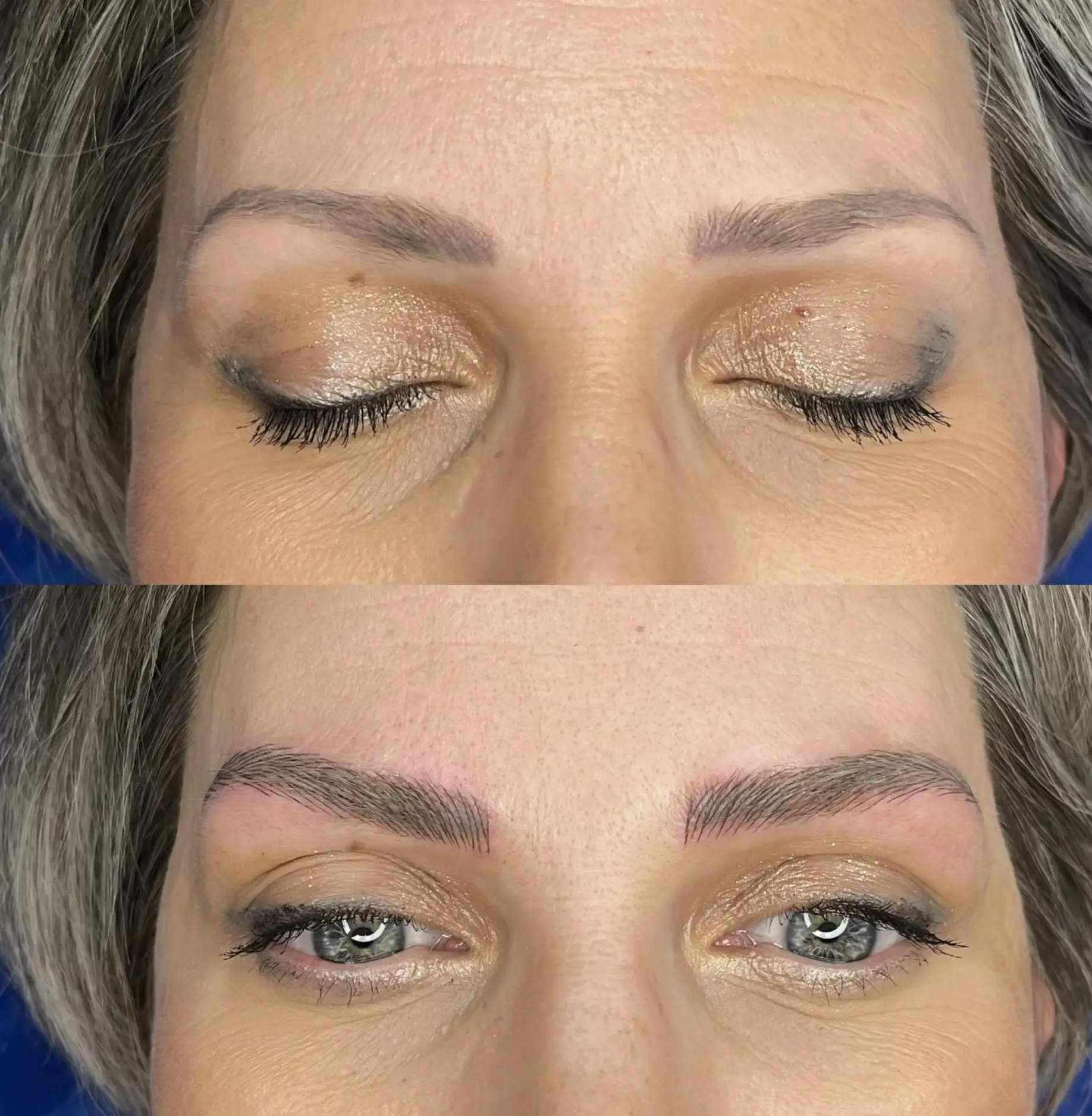
A client came to us with brows that had healed to a blue-grey tint. The artist had a certificate but hadn’t studied pigment undertones or brow correction for different skin types. We corrected it over two sessions, neutralising the old pigment and reshaping the arch to suit her face. It’s a reminder that training depth matters just as much as the paper itself. That’s why we always say anyone interested in microblading should seek not just a certificate but ongoing education and mentoring.
Safety, Hygiene, and Infection Control
Cosmetic tattooing is not just beauty therapy — it’s breaking the skin. That means risk of infection if hygiene is ignored. In Brisbane, infection control certificates are mandatory, and studios must follow sterilisation protocols. At Cosmetic Tattoo Studio Brisbane Face Figurati, we use disposable tools from our beauty kit where possible, medical-grade disinfectants, and never compromise on barrier protection. A certificate in brows without infection control is like a car without brakes.
Healing Journeys and Client Aftercare
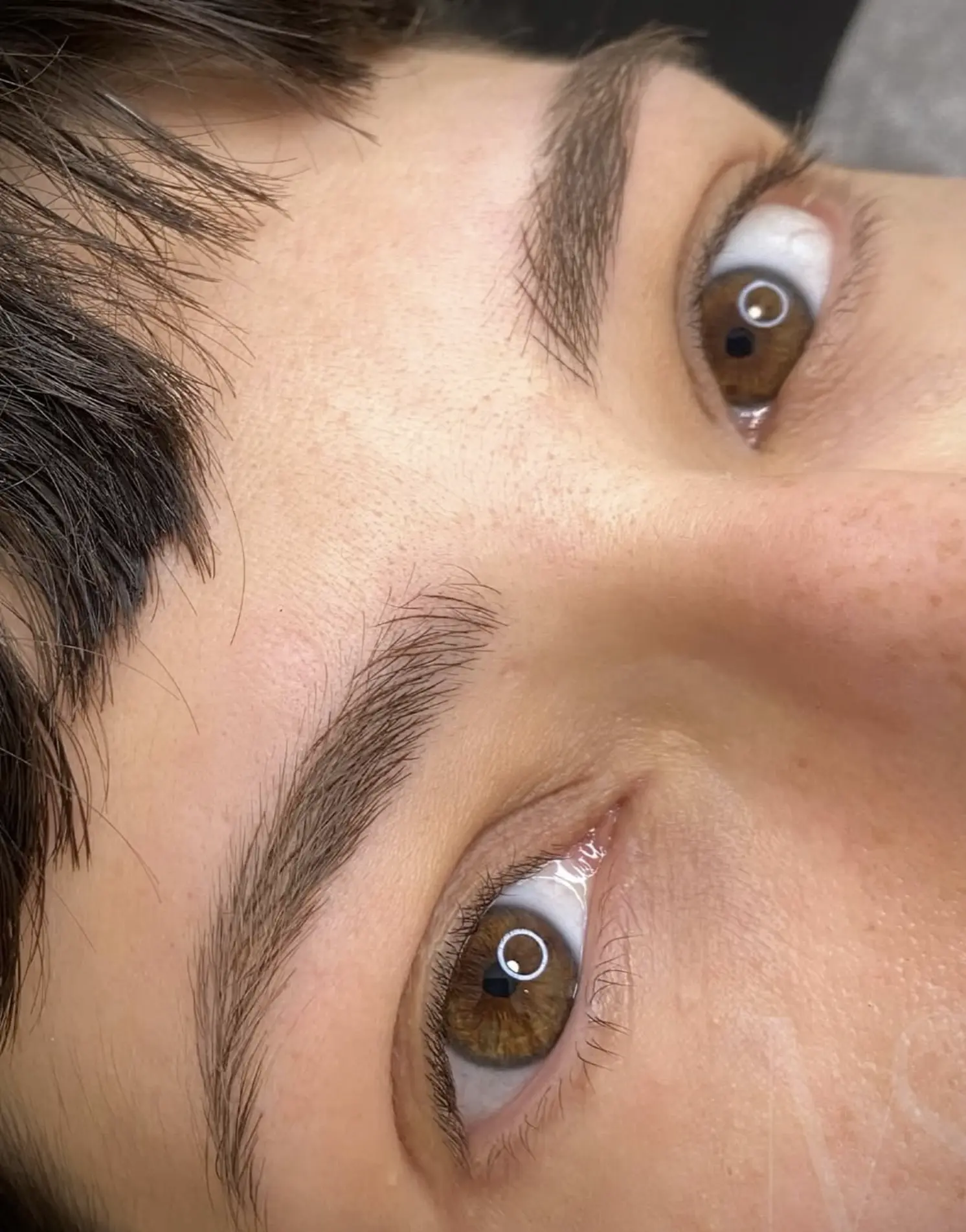
Clients ask: “How do I know if my artist is properly trained?” One clue is how they guide you through healing. A true professional explains week by week what to expect: from dark, bold brows in week one, through flaking in week two, to the softer, natural finish by week four. Someone with only a certificate and no experience in client consulting may leave you in the dark. This is especially important with microblading eyebrow tattoo procedures, where aftercare directly affects pigment retention.
Typical Healing Timeline
- Day 1–3: Brows look darker and more defined than expected.
- Day 4–7: Flaking or scabbing begins; pigment may appear patchy.
- Week 2–3: Brows look lighter than intended — colour settles in.
- Week 4–6: True healed results are visible; touch-up may be needed.
Pricing: Why Experience Affects Cost
In Brisbane, brow tattooing services range from $300 with new technicians to $800+ with experienced brow artists. Why the difference? You’re not just paying for pigment — you’re paying for years of trial, error, correction and perfected technique. As Uliana says, “Cheap brows often come with an expensive correction bill later.” Even celebrity clients know you’re paying for skill, not just the procedure. This is especially true with microblading Brisbane services, where experience determines how natural and long-lasting your results are.
2025 Beauty Trends and Demand for Trained Artists
Industry reports show cosmetic tattoo demand in Australia is growing by 15% year on year in 2025. Clients are more informed than ever, wanting natural, face-framing brows that last. With this growing demand, more people are entering the industry, but not all are taking the full training, so choosing a qualified brow artist — whether for microblading, eyebrow shaping or broader beauty procedures — is even more important.
Prep and Aftercare Checklist
Before Your Appointment
- No alcohol, caffeine or blood-thinning meds 24 hours prior.
- No brow tinting, waxing, threading or strong skincare near brows for 1 week.
- Stay hydrated and get a good night’s sleep.
After Your Appointment
- Keep brows clean and dry for 7 days.
- No heavy sweating, swimming or sun exposure.
- Apply aftercare ointment as advised.
- Don’t pick at flakes or scabs — let them shed naturally.
Final Thoughts
So, can you do eyebrows with just a certificate? Technically, yes, but should you? That’s a different story. As two artists with over 15 years combined in cosmetic tattooing and beauty therapy, we can tell you experience, ongoing education and respect for hygiene matter way more than a piece of paper. If you’re a client, choose wisely. If you’re an aspiring brow artist invest in training that gives you knowledge and practice — your future clients (celebrity or not) will thank you. And if you’re thinking of getting into this career, look for a microblading course that covers real models, proper safety and client consulting.
FAQ
Is a certificate enough to legally tattoo brows in Brisbane?
No. You also need infection control certification and local council approval.
Can a beginner with a certificate get natural results?
Rarely. Without hands-on practice, beginners will struggle with symmetry, pigment choice and healing outcomes, especially with microblading eyebrow tattoo procedures.
How do I know if my brow artist is properly trained?
Ask about their beauty qualifications, infection control certificate, years of experience and if they completed an accredited program or a reputable microblading course.
Why do some artists charge more if the service is the same?
Pricing reflects experience, correction skills and ongoing education — not just the procedure itself. With services like microblading Brisbane, paying more usually means safer, more natural results.
Do I still need touch-ups if my artist is highly trained?
Yes. All cosmetic tattoos and beauty procedures require touch-ups due to skin healing and pigment fading, especially with microblading eyebrow services.