
Is Kakadu National Park a Rainforest? Discover the Truth
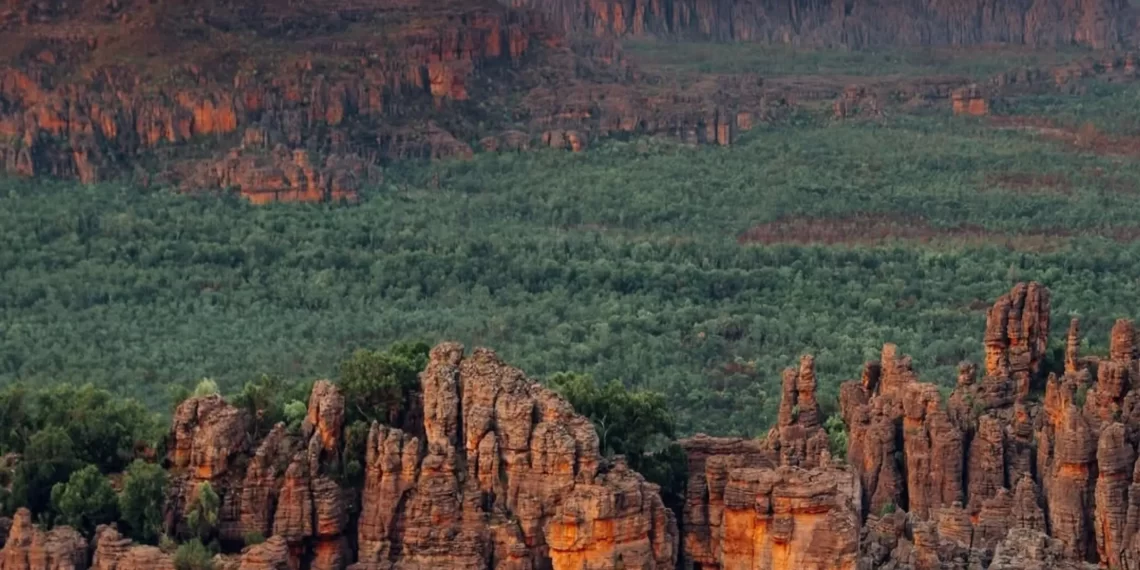
Kakadu National Park, a UNESCO World Heritage site in Northern Australia, is one of the country’s most biodiverse and culturally significant landscapes. Spanning nearly 20,000 square kilometers, this vast and rugged expanse is home to a wide range of ecosystems, including monsoon rainforests, wetlands, savanna woodlands and sandstone escarpments.
Many visitors ask: Is Kakadu a rainforest? While it has rainforests in some areas, Kakadu is not a tropical rainforest like the Daintree Rainforest or Mossman Gorge. Instead, Kakadu’s monsoon forests thrive in moist gorges, river banks and sandstone plateaus, forming pockets of dense vegetation that are like rainforests but seasonally dependent on rainfall.
Contents
- 1 Diverse Ecosystems
- 1.1 1. Monsoon Rainforests: Kakadu’s Hidden Rainforest Pockets
- 1.2 2. Wetlands and Billabongs: Kakadu’s Lifeblood
- 1.3 3. Savanna Woodlands and Stone Escarpments
- 1.4 Climate: Wet and Dry Seasons
- 1.5 Wildlife in Monsoon Rainforests and Wetlands
- 1.6 Cultural Significance of Kakadu’s Landscapes
- 1.7 Planning a Visit to Kakadu?
- 2 Frequently Asked Questions
Diverse Ecosystems
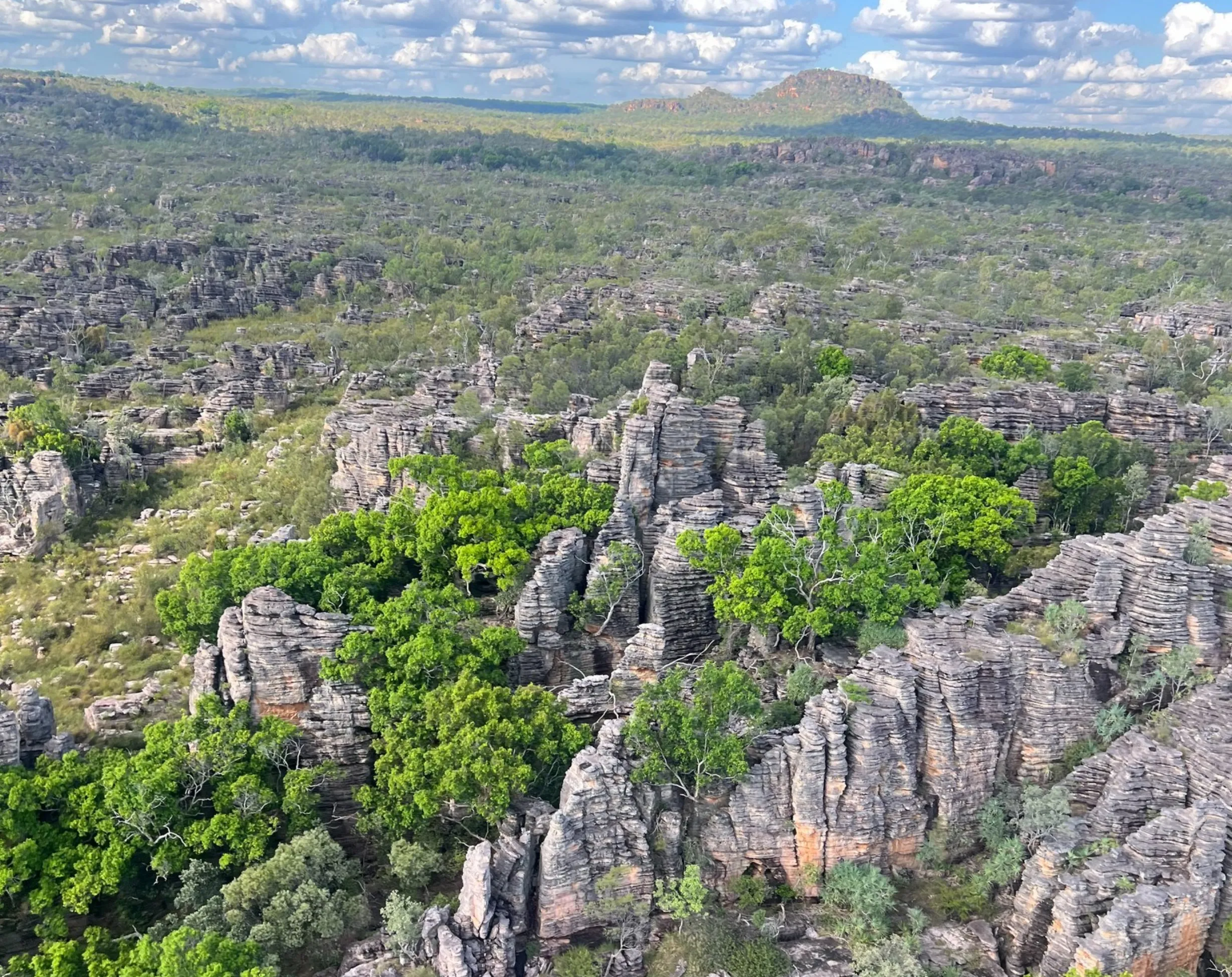
Kakadu is one of the most ecologically diverse places in Australia, where you can experience a wide variety of landscapes, flora and fauna. The park has many habitats, from rock shelters and floodplains to tall monsoon forests and wetlands. Each of these habitats has unique species of plants and animals, many of which are endemic to the region.
1. Monsoon Rainforests: Kakadu’s Hidden Rainforest Pockets
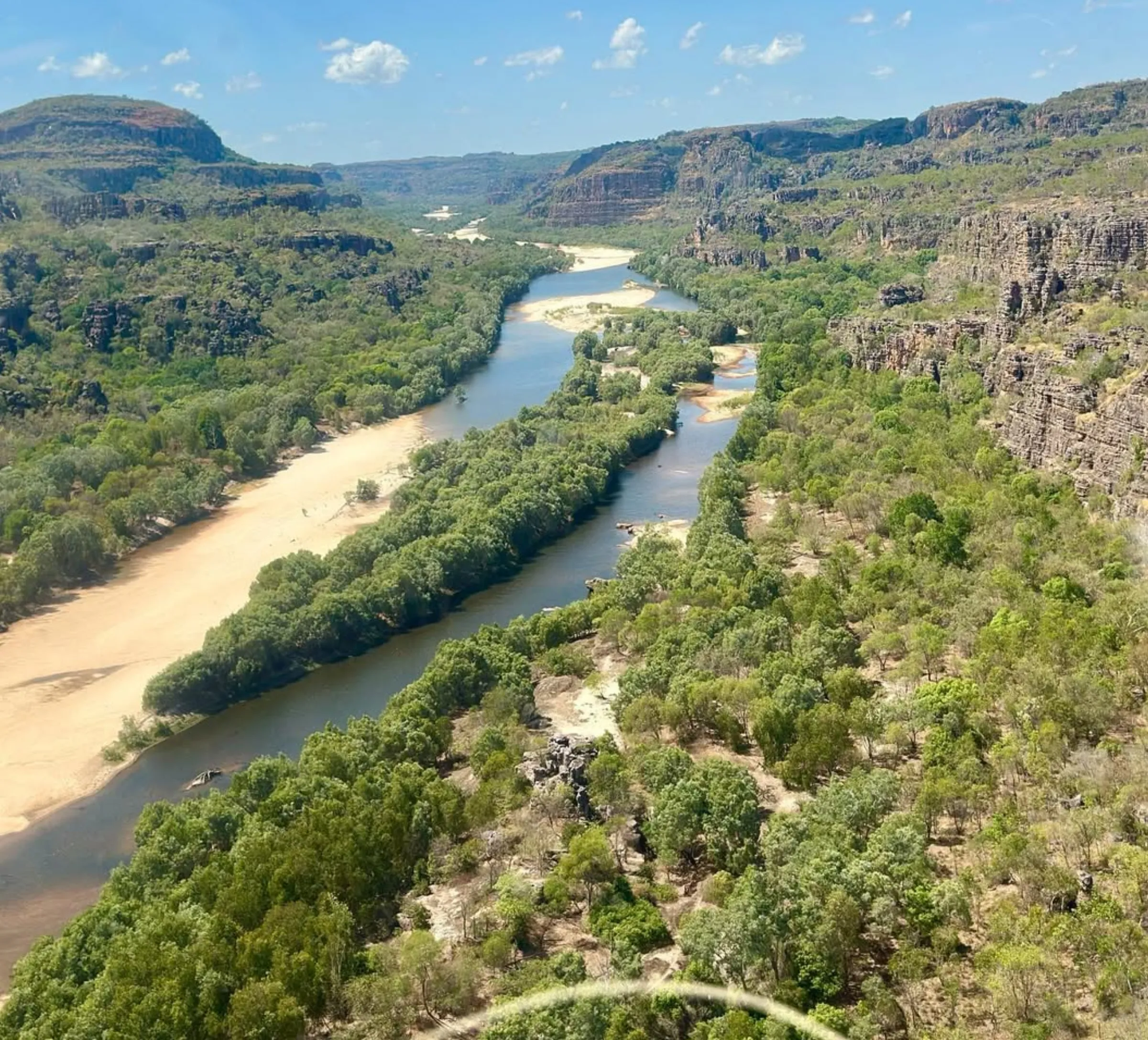
While Kakadu is not a temperate rainforest, it has monsoon rainforests, which exist in moist gorges, river beds and beneath towering waterfalls like Twin Falls, Jim Jim Falls and Gunlom Falls. These rainforests are dominated by the Allosyncarpia ternata, a rare and ancient tree species that only grows in Kakadu’s rugged landscapes.
The tall monsoon forests are home to many nocturnal animals and endemic plant species. Visitors to Jim Jim Creek, Koolpin Gorge and Barramundi Creek may see short eared rock wallabies, file snakes and a wide variety of birds including the Chestnut-quilled Rock Pigeon.
2. Wetlands and Billabongs: Kakadu’s Lifeblood
One of Kakadu’s most famous ecosystems is its wetlands and floodplains which are a critical habitat for thousands of migratory birds, freshwater crocodiles and endemic animals. These wetlands include:
- Yellow Water Billabong – A hotspot for migratory birds, magpie geese, black bream and crocodiles. Take a Yellow Water Cruise to see the animal life of this amazing ecosystem.
- Magela Creek and Anbangbang Billabong – Home to native species, black wallaroos and feral animals like the Asian water buffalo.
- Cahills Crossing – A well known area where you can see Saltwater crocodiles lurking in the water waiting for fish to pass.
These wetland environments are essential for Kakadu’s biodiversity and are a breeding ground for many bird species during the wet season.
3. Savanna Woodlands and Stone Escarpments
The Arnhem Land region features breathtaking rock shelters, rock art sites, and towering sandstone cliffs. Some of Kakadu’s most famous rock art sites can be found at Nourlangie Rock and Ubirr, showcasing Aboriginal rock art that dates back thousands of years. These sites provide deep cultural values for Kakadu’s traditional owners, the Bininj/Mungguy people.
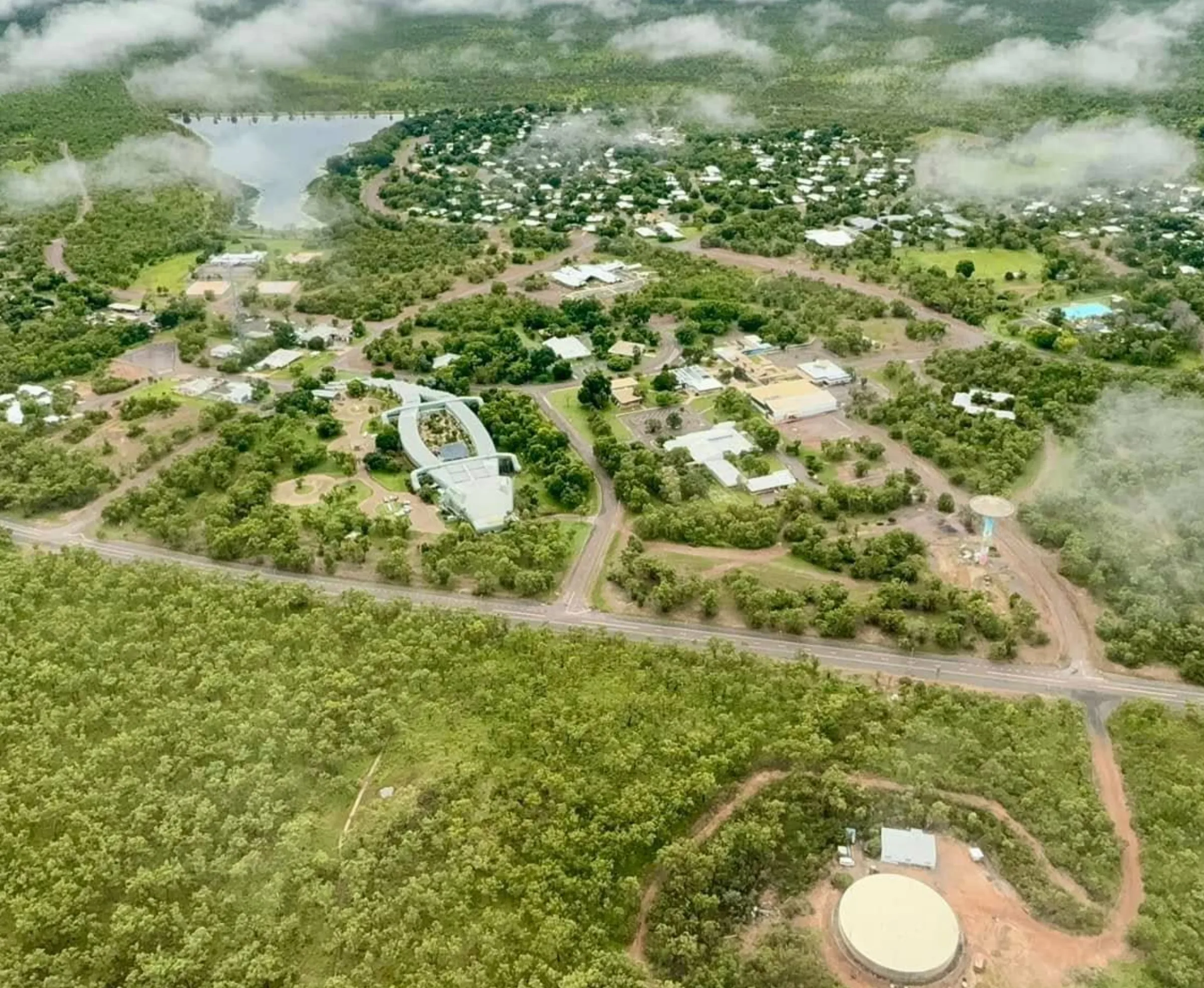
The savanna woodlands are home to a range of plant species, including eucalyptus, acacia, and paperbark forests. The diverse landscapes support feral animals, native species, and invasive species such as cane toads, which pose a threat to Kakadu’s delicate ecosystem.
Climate: Wet and Dry Seasons
Kakadu’s environment is shaped by extremes with two distinct seasons:
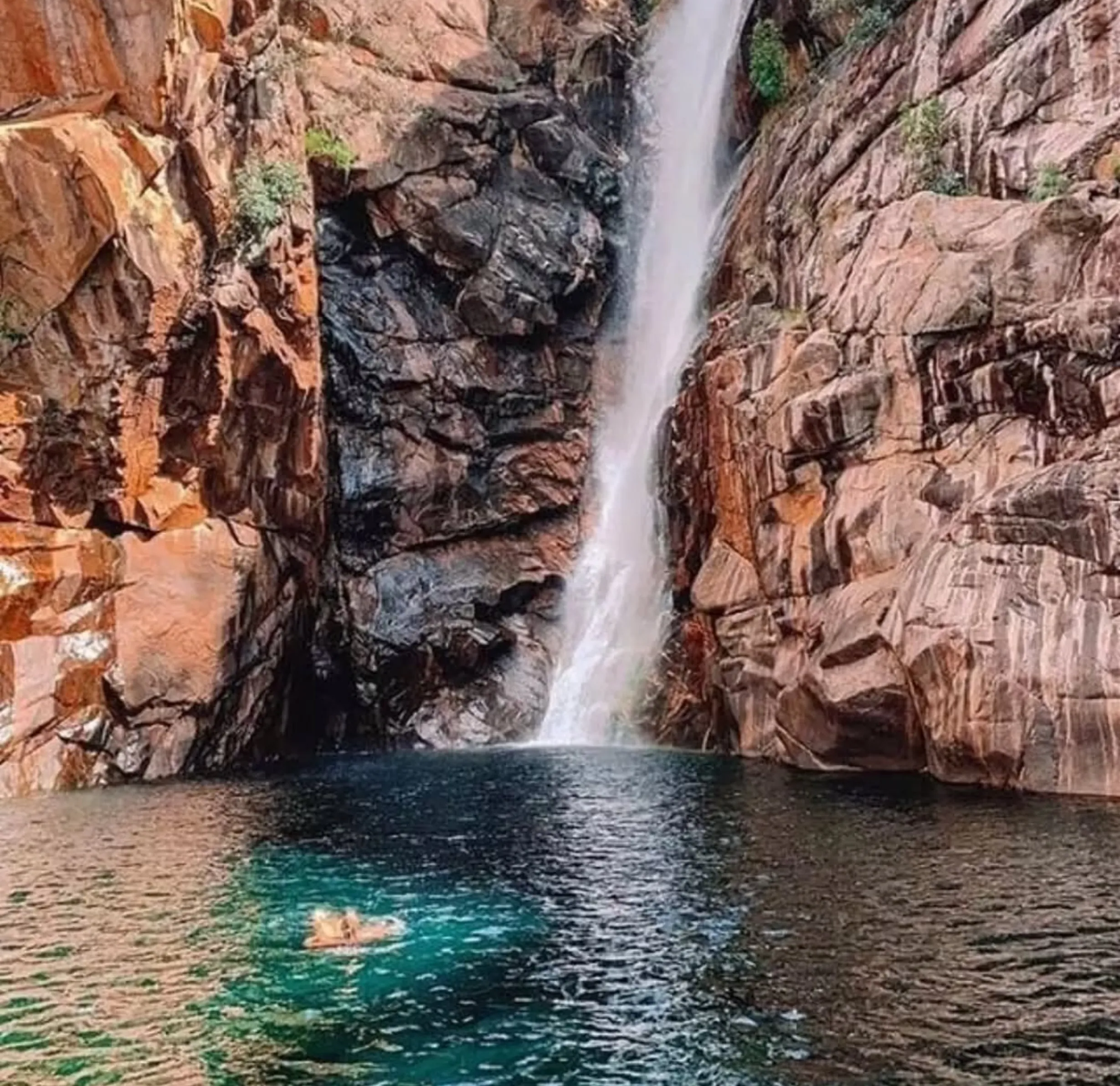
- The Wet Season (Nov-April): Heavy rainfall, swollen rivers and waterfalls, the wet season turns Kakadu into a lush paradise. Waterfalls like Jim Jim Falls and Twin Falls cascade into plunge pools with crystal clear water. But max temps can be high and flooding can restrict access to some areas.
- The Dry Season (May-Oct): Lower humidity and pleasant temps, the dry season is the best time to visit Aboriginal Land, interpretive signage on native species and park ranger Kakadu Tours. It’s also the best time to spot wildlife as animals congregate around freshwater springs and billabongs.
Wildlife in Monsoon Rainforests and Wetlands
Kakadu is home to an amazing range of plant and animal species, nocturnal animals, river dwelling creatures and endemic animals. Some of the park’s notable species include:
- Saltwater Crocodiles and Freshwater Crocodiles (Crocodylus johnstonii) – These iconic reptiles dominate Kakadu’s rivers, floodplains and billabongs.
- Chestnut-quilled Rock Pigeon – An endemic bird species found in the park’s rugged cliffs and escarpments.
- Black Bream and Barramundi – Popular fish species found in Kakadu’s bodies of water, Magela Creek and Jim Jim Creek.
- Death Adders and Brown Snakes – Venomous reptiles that inhabit the savanna woodlands and monsoon forests.
- Black Wallaroo – A rare marsupial that’s endemic to Kakadu’s rocky landscapes.
These animals rely on natural habitats protected by Parks Australia and local land managers to maintain Kakadu’s natural values and biodiversity.
Cultural Significance of Kakadu’s Landscapes
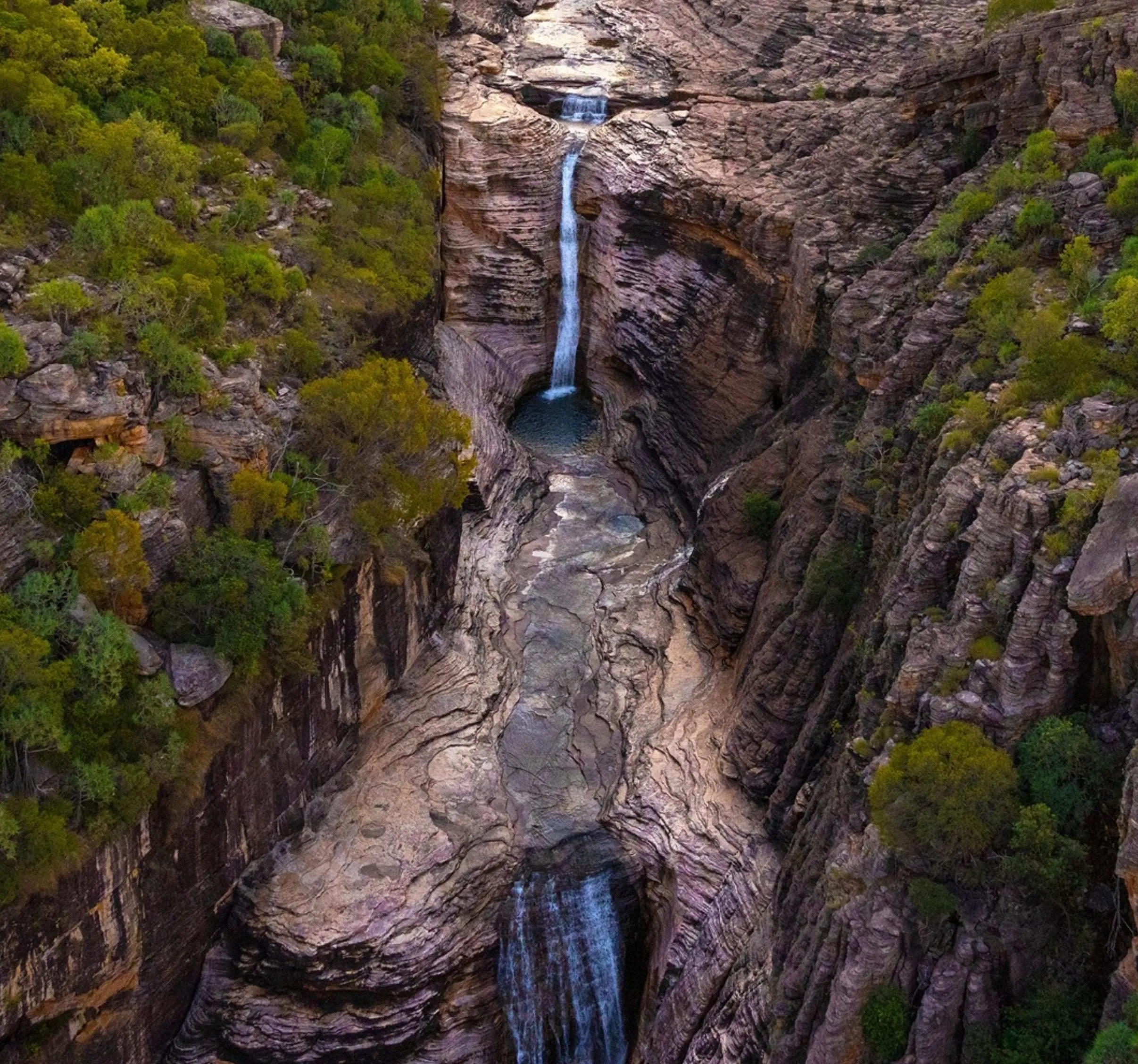
LandscapesFor over 65,000 years Kakadu has been home to Aboriginal Land custodians who still practice traditional land management. The park’s rock art sites at Nourlangie Rock and Ubirr show us into ancient traditions, hunting practices and Dreamtime stories. Learn about the cultural significance of these landscapes through interpretive signage and park ranger 1 day Kakadu tours from Darwin.
Planning a Visit to Kakadu?
Looking for ancient landscapes, wildlife and waterfalls in Kakadu? Choose from:
- Scenic flights over the Alligator Rivers and Arnhem Land
- Guided wildlife tours in Yellow Water Billabong
- Cultural experiences with Kakadu’s traditional owners
- Waterfalls such as Gunlom Falls, Twin Falls and Jim Jim Falls
One of the best ways to experience Kakadu is to book a 4 day Kakadu tours from Darwin with Wildlife Tours and explore the park’s landscapes, cultural heritage sites and wetlands with an expert.
Frequently Asked Questions
What type of rainforest is in Kakadu National Park?
Kakadu has monsoon rainforests which are seasonal and found in gorges, river banks and under waterfalls. These forests don’t have year round moisture unlike tropical rainforests.
When is the best time to visit Kakadu National Park?
Best time to visit Kakadu depends on your interest: Wet season (Nov – April) and Dry season (May – Oct).
What animals are in Kakadu National Park?
Kakadu has Saltwater crocodiles, Freshwater crocodiles (Crocodylus johnstonii), magpie geese, black wallaroos, Chestnut-quilled Rock Pigeons, death adders, file snakes and barramundi. The park’s wetlands, forests and escarpments support an amazing array of wildlife.
How do I get to Kakadu’s waterfalls and monsoon forests?
Best way to experience Kakadu’s monsoon rainforests, waterfalls and billabongs is to join a guided 3 Day Kakadu Tour. Autopia Tours offers guided Kakadu day tours to Jim Jim Falls, Twin Falls and Gunlom Falls so you can see the park’s stunning landscapes in safety.
Why is Kakadu National Park important?
Kakadu is Aboriginal Land and has been home to the Bininj/Mungguy people for over 65,000 years. The park has rock art at Nourlangie Rock and Ubirr which depict ancient traditions, hunting scenes and Dreamtime stories making it one of the most important cultural landscapes in Australia.